

The Church of England has apologised for its role in historical adoption practices, particularly in Church-run mother and baby homes. Mothers and adoptees who came into contact with these homes have described the profound and lasting impact of these experiences.
Published alongside new research into these homes, the apology recognises the impact on people affected and sets out the Church’s commitment to listening, learning and responding with honesty and compassion.
Giving the apology on behalf of the Church of England, the Archbishop of Canterbury, Sarah Mullally, said: “We know that many women and girls were at times made to carry out menial and manual work as a form of ‘correction’. We also recognise where prejudice – including on the grounds of race and disability – shaped and defined experiences and outcomes. We are listening to the voices of people affected. They have told us about the pain, shame and indignity experienced both then and now. Today, we say to each of you: the shame you were made to feel was wrong. You have nothing to be ashamed of. Rather, we are deeply ashamed that this happened to people in the care of Christian communities.” Read the full apology here.
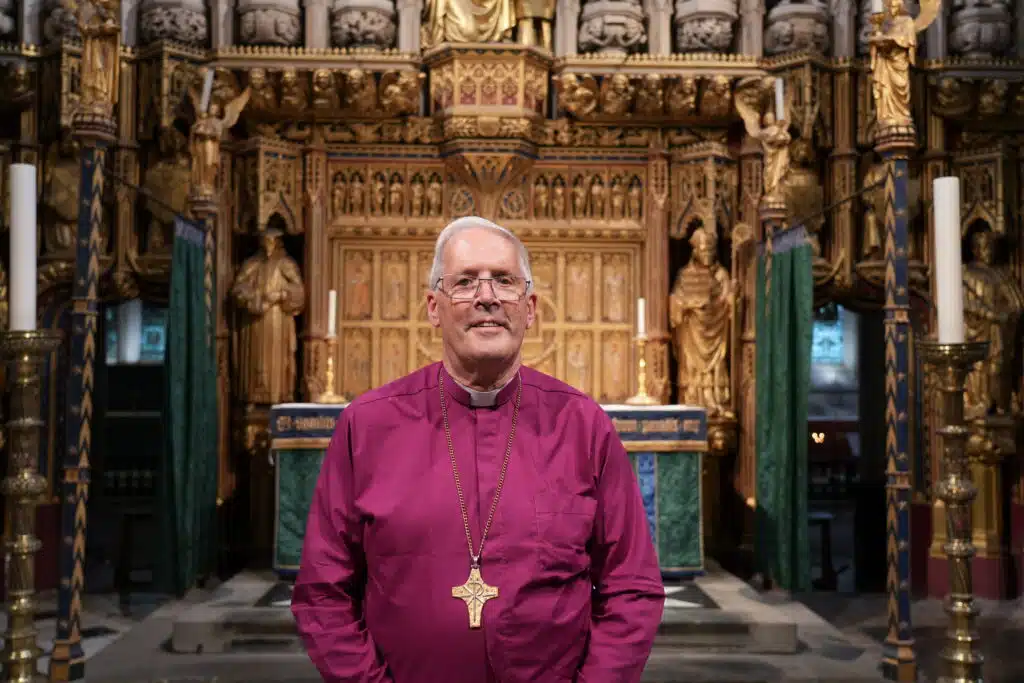
“I wholeheartedly echo Archbishop Sarah’s apology,” said the Bishop of Southwark, The Rt Revd Christopher Chessun. “While we know that some had positive experiences of these homes, the research reveals that there were many, many failings and cruelties associated with them. The voices of those harmed by these insitutions must be heard – and I thank them for their courage in sharing their stories.”
It’s likely that the number of mothers and babies connected to Church of England-affiliated homes is in the tens of thousands during the period covered by the research (1949 to 1976). However, because of the nature of the records that still exist, it is difficult to verify information from that period. Southwark Diocese has been able to identify up to 20 mother and baby homes that may have been connected in some way to the diocese. These are listed on a dedicated page on the diocesan website, which also highlights further sources of information and support for those affected.