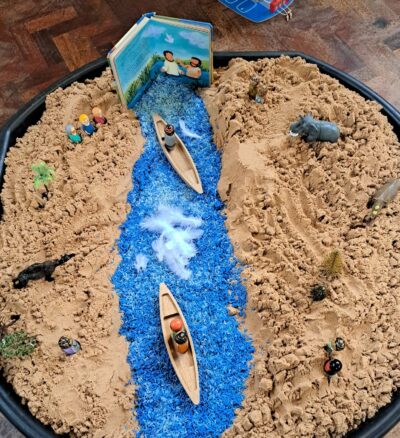


In Ezekiel’s vision, a river flows from the temple of God, bringing life wherever it goes. Dry lands are restored, barren places flourish, and creation is renewed. It is a powerful picture of God’s life-giving presence: a reminder that where God is at work, healing, abundance and hope can emerge in the most unexpected places.
Yet the theme of Living Waters also invites us to reflect honestly on the state of our waters today. When we look at many of our rivers, lakes and seas, the picture can feel far removed from the flourishing described in Ezekiel’s vision.
Across the UK, waterways face increasing pressures from sewage pollution, agricultural runoff and other contaminants. Ageing water infrastructure struggles to cope with growing demands, while hotter, drier summers are placing additional strain on supplies. This summer, many parts of the country experienced drought conditions, and climate change is expected to make water scarcity an even greater challenge in the years ahead.
The situation is even more acute in some of our linked dioceses. In Zimbabwe, climate change is projected to reduce water availability by 38% by 2050, while growing demand places further pressure on already stretched resources. In some areas, water pollution and inadequate sanitation contribute to outbreaks of diseases such as cholera and typhoid.
When we look to Barbados, the island is already one of the most water-scarce countries in the world. Demand for water is expected to rise by 30% by 2050, while a significant proportion of treated water is lost through ageing infrastructure before it ever reaches consumers. Protecting and managing this precious resource is vital, both for the health of local ecosystems and for the communities that depend upon them.
Like many environmental challenges, these realities reveal the consequences of humanity’s failure to live well within God’s creation. While water is fundamental to all life, around one in four people globally still lack access to safely managed drinking water. Burdens around water fall disproportionately on women and children, rural communities, and people across the Global South – reminding us that environmental challenges are never just environmental challenges.
But the Christian story does not end with degradation. The vision of Ezekiel reminds us that we serve a God of renewal. The waters flowing from the temple bring healing, restoration and life. As followers of Christ, we are invited to become part of the work of restoration today.
Across our Diocese, churches are already responding in a variety of practical ways to water-based issues. Whether it is in monitoring water use, harvesting rainwater, taking part in local river monitoring projects, campaigning for cleaner waterways and speaking up for stronger environmental protections – God’s people are at work. While no single action can solve these challenges alone, local steps taken together can contribute to the wider change we need to see.
This Creationtide, why not take the time to give thanks to God for the gift of water and to reflect on its importance in your own life and in the lives of those around you? Consider what role you and your church might play in looking after this precious resource, however small that step might be. And most importantly, let us remember the source of living water from whom our actions flow – the God who sustains and renews us all.
Find out more about how you and your church might take action using the resources below:
- Season of Creation Living Water – Actions for UK churches (Operation Noah)
- Water action points | The Church in Wales
- Eco Church: Water Usage and Capture
Sophie Roberts, Diocesan Environmental Officer